
September 22, 2026
AI Creating Videos: Guide for Brands & Marketers 2026
Discover how AI creating videos transforms ad production in 2026. Learn frameworks, workflows, and best practices for performance marketers.
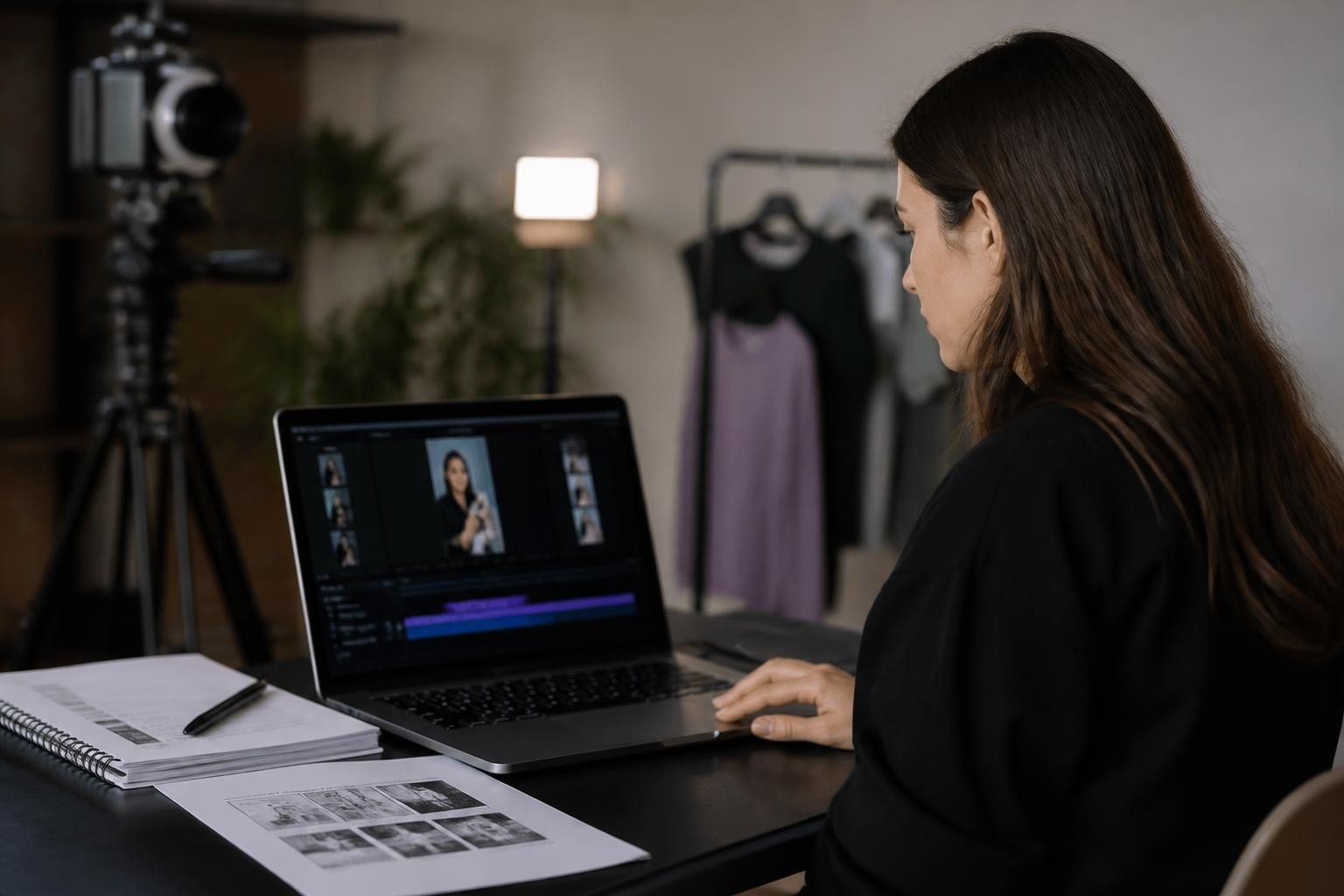
The landscape of video advertising has undergone a seismic shift in recent years, and ai creating videos now stands at the forefront of how brands, creators, and performance marketers produce ad creative. What once required production crews, actors, multiple takes, and weeks of editing can now be accomplished through sophisticated AI systems that transform text prompts and creative briefs into scroll-stopping video content. For direct-to-consumer brands and digital marketers operating in 2026, understanding how artificial intelligence generates video content isn't just advantageous-it's essential for staying competitive in platforms like TikTok, Meta, and emerging social channels.
The Technical Foundation of AI Video Generation
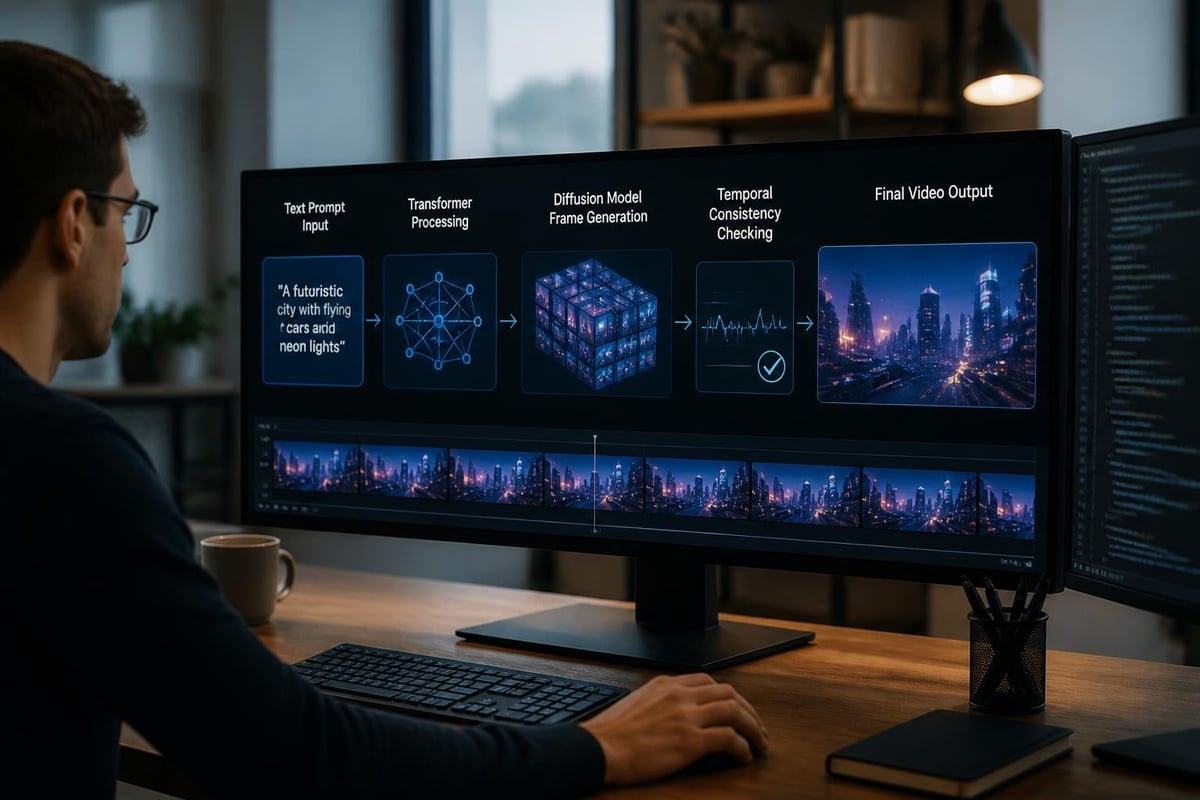
AI creating videos relies on several interconnected machine learning architectures working in concert. The foundation rests on diffusion models, which have revolutionized how neural networks generate visual content by learning to reverse a gradual noise-addition process. These models trained on millions of video clips understand motion, physics, object permanence, and temporal coherence in ways that earlier generative systems couldn't achieve.
Core Technologies Powering Video AI
The technical stack behind modern video generation systems includes multiple specialized components:
- Text-to-video transformers that interpret natural language prompts and translate them into visual sequences
- Temporal attention mechanisms ensuring frame-to-frame consistency and realistic motion
- Latent diffusion architectures that work in compressed representation spaces for computational efficiency
- Multi-modal encoders combining text, image, and audio understanding
- Upscaling and refinement networks that enhance resolution and visual quality
Research from Meta's MovieGen project demonstrates how foundation models can generate high-fidelity video, personalize content with specific subjects, and perform precise video editing-all from text descriptions. This represents a fundamental leap from earlier template-based systems.
Training Data and Model Capabilities
The capabilities of any AI video system directly correlate with its training data. Modern models train on diverse datasets including:
| Data Type | Purpose | Scale |
|---|---|---|
| Stock footage | General motion understanding | 10M+ clips |
| User-generated content | Natural, authentic movement | 50M+ videos |
| Cinematic sequences | High-quality composition | 1M+ scenes |
| Product demonstrations | Commercial applications | 5M+ examples |
This comprehensive training enables ai creating videos systems to understand context, brand aesthetics, and platform-specific requirements. The survey on text-to-video generation techniques provides an extensive overview of how these datasets and architectures have evolved.
Workflow Integration for Performance Marketers
Modern marketing teams don't just need AI that generates video-they need systems that integrate seamlessly into existing creative workflows. The production pipeline for AI-generated ad creative differs substantially from traditional video production.
The AI-First Creative Process
Traditional video production follows a linear path: concept, script, storyboard, filming, editing, delivery. AI creating videos inverts and compresses this workflow:
- Brief development with detailed creative direction and brand guidelines
- Prompt engineering to translate marketing objectives into AI instructions
- Batch generation producing multiple creative variations simultaneously
- Rapid iteration based on performance data and platform feedback
- Deployment directly to ad platforms with minimal post-production
This compressed timeline means brands can test dozens of creative concepts in the time it previously took to produce a single video. For creators and marketers focused on understanding what makes UGC hooks effective, this rapid iteration becomes a competitive advantage.
Quality Control and Brand Consistency
Maintaining brand consistency across AI-generated content requires systematic approaches:
- Style transfer models trained on existing brand video libraries
- Color palette enforcement ensuring on-brand visual identity
- Voice and tone guidelines embedded in generation parameters
- Automated compliance checking for platform specifications and legal requirements
The enhanced evaluation metrics discussed in recent research go beyond traditional Fréchet Video Distance (FVD) scores to assess semantic alignment, temporal quality, and viewer engagement-metrics that matter for paid advertising performance.
Platform-Specific Optimization Strategies
Each social platform has unique requirements, audience expectations, and algorithmic preferences. AI creating videos for TikTok demands different approaches than Meta or YouTube content.
TikTok Creative Requirements
TikTok's algorithm and audience prioritize authenticity, rapid pacing, and native-feeling content. AI-generated videos for TikTok should incorporate:
- Vertical 9:16 aspect ratio with mobile-first composition
- Hook within first 0.5 seconds to prevent scrolling
- Creator-style presentation that feels UGC rather than polished advertising
- Text overlays and captions for sound-off viewing
- Trend-aware elements aligned with current platform dynamics
When researching why ad research belongs next to production, marketers discover that AI systems can analyze trending hooks, successful competitor ads, and platform benchmarks before generating new creative.
Meta Ecosystem Considerations
Facebook and Instagram within the Meta ecosystem require different optimization:
| Platform | Optimal Length | Key Features | Performance Driver |
|---|---|---|---|
| Instagram Feed | 15-30 seconds | Strong visuals, minimal text | Stopping power |
| Instagram Stories | 6-15 seconds | Vertical, interactive elements | Completion rate |
| Facebook Feed | 15-60 seconds | Captions essential, sound-off | Watch time |
| Instagram Reels | 15-30 seconds | Trending audio, fast cuts | Share rate |
AI systems can generate variations optimized for each placement simultaneously, maximizing the value of a single creative brief.

Performance Metrics and Testing Frameworks
The true value of ai creating videos emerges through systematic testing and optimization. Performance marketers need frameworks that connect creative attributes to business outcomes.
Attribution and Creative Analytics
Modern attribution for AI-generated video creative tracks multiple dimensions:
- Hook retention rates measuring how many viewers watch past 3 seconds
- Click-through performance from video view to landing page
- Conversion attribution connecting creative variants to purchases
- Cost per acquisition (CPA) by creative concept and execution style
- Creative fatigue curves showing when refresh is needed
These metrics inform the next generation cycle, creating a flywheel where performance data directly improves AI prompts and generation parameters. Brands exploring creative approaches for video commercials can leverage these insights to refine their AI-generated content strategy.
A/B Testing at Scale
AI creating videos enables testing volumes impossible with traditional production. Effective testing frameworks include:
- Concept-level testing: Different product benefits, value propositions, or emotional appeals
- Execution-level testing: Various presentation styles, pacing, or visual approaches
- Hook-level testing: Multiple opening sequences for the same core message
- Element-level testing: Background music, voice-over styles, or text treatments
With AI generation, running a 20-variant test costs the same as a 3-variant test-dramatically improving statistical confidence and insight generation.
Ethical Considerations and Transparency
As AI-generated content becomes indistinguishable from human-created video, ethical questions around disclosure, authenticity, and trust become paramount. Professional marketers must navigate these considerations carefully.
Disclosure and Labeling Standards
Various jurisdictions and platforms are implementing requirements for synthetic content disclosure. The NIST guidance on reducing risks from synthetic content outlines technical approaches including:
- Content watermarking embedded at generation time
- Metadata standards for provenance tracking
- Detection-resistant labeling that persists through compression and editing
- Platform-level verification systems
For brands, proactive transparency builds trust. Clearly indicating when video content is AI-generated-especially for testimonials or demonstrations-protects both audience relationships and regulatory compliance.
Copyright and Ownership Frameworks
The legal landscape around AI-generated content continues evolving. The U.S. Copyright Office guidance on AI addresses key questions about:
- Training data rights: Whether AI systems can legally train on copyrighted video
- Output ownership: Who holds rights to AI-generated creative
- Human authorship requirements: Whether AI output qualifies for copyright protection
- Derivative works: How AI transformations of existing content are classified
Performance marketers should work with legal counsel to ensure their AI video workflows respect intellectual property while maximizing creative flexibility.
Industry-Specific Applications and Use Cases
AI creating videos serves diverse applications across industries, each with unique requirements and success metrics. Understanding these use cases helps marketers identify opportunities within their vertical.
E-Commerce and Product Demonstrations
Direct-to-consumer brands leverage AI video generation for:
- Product launches with multiple creative angles tested simultaneously
- Seasonal campaigns adapted quickly as trends shift
- Localized content customized for regional markets and languages
- User-generated content style ads at scale without recruiting creators
Platforms like VidBud's AI UGC video plans enable brands to generate unlimited creative variations from a single product brief, complete with market research insights and platform-specific optimization.
Creator Economy and Influencer Marketing
Individual creators and influencer marketing agencies use AI video tools to:
- Scale content production beyond personal filming capacity
- Test creative concepts before committing to full production
- Repurpose existing content into new formats and platforms
- Maintain consistent posting schedules despite travel or downtime
The line between AI-assisted and AI-generated content continues blurring as creators integrate these tools into their workflows.
Agency and Brand Partnerships
Marketing agencies serving multiple clients benefit from AI video generation through:
| Agency Need | AI Solution | Client Benefit |
|---|---|---|
| Faster turnaround | Concept to video in hours | Rapid campaign launches |
| Budget efficiency | No production crew costs | More creative for same spend |
| Variant testing | Dozens of versions easily | Data-driven optimization |
| Expertise scaling | Junior teams produce senior work | Consistent quality |
This democratization of video production allows smaller teams to compete with larger agencies on creative output volume and testing sophistication.
Future Trajectories and Emerging Capabilities
The field of ai creating videos continues advancing rapidly. Understanding emerging capabilities helps marketers prepare for the next wave of opportunities.
Real-Time Generation and Interactive Video
Research teams are developing systems that generate video in response to user interaction, enabling:
- Personalized ad experiences that adapt to viewer behavior mid-stream
- Interactive product demonstrations where viewers control what they see
- Dynamic testing that optimizes creative in real-time based on engagement
- Conversational video that responds to viewer questions or commands
These capabilities will transform how audiences engage with video advertising, moving from passive consumption to active participation.
Multi-Modal Intelligence Integration
The next generation of video AI will seamlessly integrate:
- Audio generation creating custom voice-overs, music, and sound effects
- Text-to-3D for product visualization and virtual environments
- Motion capture synthesis enabling realistic character animation without actors
- Style transfer applying artistic or brand aesthetics consistently
As Nature's commentary on societal impacts explores, these advances carry both tremendous opportunity and significant responsibility for creators and marketers.
Trust, Verification, and Media Literacy
The proliferation of AI-generated video demands parallel advances in verification and media literacy. The Reuters Institute's analysis of journalism trends highlights how newsrooms and content platforms are adapting standards to maintain public trust in an era of synthetic media.
For marketers, this means:
- Investing in transparency through clear labeling and disclosure
- Building authentic relationships that transcend production methods
- Focusing on value delivery rather than deceptive persuasion techniques
- Participating in industry standards development for responsible AI use
Brands that prioritize ethical AI video use will build long-term audience trust and avoid regulatory pitfalls.
Implementation Roadmap for Marketing Teams
Adopting ai creating videos into existing marketing operations requires strategic planning. Successful implementations follow structured roadmaps that balance experimentation with systematic scale.
Phase One: Foundation and Learning
Initial implementation should focus on:
- Platform selection based on use cases, integration needs, and budget
- Team training in prompt engineering and AI video workflows
- Pilot campaigns testing AI-generated content against traditional creative
- Metric establishment defining success criteria and measurement frameworks
Start with lower-stakes campaigns where rapid iteration provides learning without significant risk. Exploring generative AI fundamentals helps teams build conceptual understanding before tactical execution.
Phase Two: Process Integration
As competency builds, integrate AI video into standard workflows:
- Creative brief templates optimized for AI generation parameters
- Review and approval processes adapted for high-volume output
- Quality standards balancing automation efficiency with brand requirements
- Platform deployment pipelines connecting generation to media buying
This phase transforms AI video from experimental tool to production workhorse.
Phase Three: Strategic Optimization
Mature implementations leverage AI video for competitive advantage:
- Predictive creative testing using AI to model performance before generation
- Automated optimization loops where performance data refines future prompts
- Cross-platform creative ecosystems generating coordinated campaigns at scale
- Competitive intelligence analyzing competitor creative and generating responsive content
Teams at this stage view AI video generation as strategic infrastructure rather than individual tool.
Cost-Benefit Analysis for Different Scale Operations
The economics of ai creating videos vary dramatically based on production volume, platform requirements, and team structure. Understanding these economics helps justify investment and set appropriate expectations.
Small Creator and Solo Marketer Economics
Individual creators and small marketing teams typically see:
- Break-even point: 5-10 videos per month replacing outsourced production
- Primary savings: Elimination of contractor, equipment, and editing costs
- Time savings: 80-90% reduction in production timeline
- Quality trade-offs: Lower fidelity than premium production, higher than phone-shot content
For this segment, AI video tools democratize access to professional-quality creative previously beyond budget reach.
Mid-Market Brand and Agency Economics
Companies producing dozens of videos monthly experience:
| Traditional Production | AI-Generated Production | Delta |
|---|---|---|
| $2,000-5,000 per video | $50-200 per video | 90-97% cost reduction |
| 2-4 week timeline | 1-2 day timeline | 85-95% time reduction |
| 3-5 variants feasible | 20-50 variants feasible | 10x testing capacity |
These economics fundamentally change creative strategy, enabling hypothesis testing previously limited by budget and time constraints.
Enterprise and High-Volume Operations
Large brands and agencies generating hundreds of creative assets see:
- Infrastructure advantages: Custom model training on brand libraries
- Integration depth: API-level connections to media buying and analytics platforms
- Vendor partnerships: White-glove service and dedicated model tuning
- Organizational challenges: Change management across established creative teams
At this scale, ai creating videos becomes strategic technology requiring executive sponsorship and cross-functional alignment.
Technical Requirements and Infrastructure Planning
Successfully deploying AI video generation requires understanding technical requirements and planning appropriate infrastructure.
Computational Resources and Cloud Architecture
AI video generation demands significant computational resources:
- GPU requirements: Consumer tools run on cloud infrastructure (no local GPU needed)
- Processing time: 2-10 minutes per video depending on length and quality
- Storage needs: Generated assets, training data, and version history
- Bandwidth considerations: Uploading briefs and downloading high-resolution outputs
Most commercial platforms handle infrastructure complexity, but enterprise implementations may build custom pipelines requiring technical architecture planning.
Integration Points and API Capabilities
Modern marketing stacks require AI video tools that integrate with:
- Project management systems for brief submission and approval workflows
- Digital asset management for organizing and versioning generated content
- Media buying platforms for deployment to advertising channels
- Analytics systems for performance tracking and attribution
Evaluating integration capabilities before platform selection prevents workflow bottlenecks and manual data transfer.
The transformation brought by ai creating videos represents more than incremental improvement-it's a fundamental shift in how brands and creators approach video advertising. As these systems continue advancing in quality, accessibility, and integration capabilities, the competitive advantage will flow to marketers who combine technical capability with strategic creativity and ethical responsibility. VidBud provides the infrastructure for this new paradigm, enabling creators, brands, and performance marketers to transform creative briefs into scroll-stopping UGC ads with AI-powered market research, creative direction, and unlimited video generation-ready to deploy across TikTok, Meta, and emerging platforms at the scale modern marketing demands.