September 4, 2026
Video AI Generation: The Future of Creative Content
Discover how video AI generation is transforming content creation for brands and marketers with scalable, on-brand video production technology.
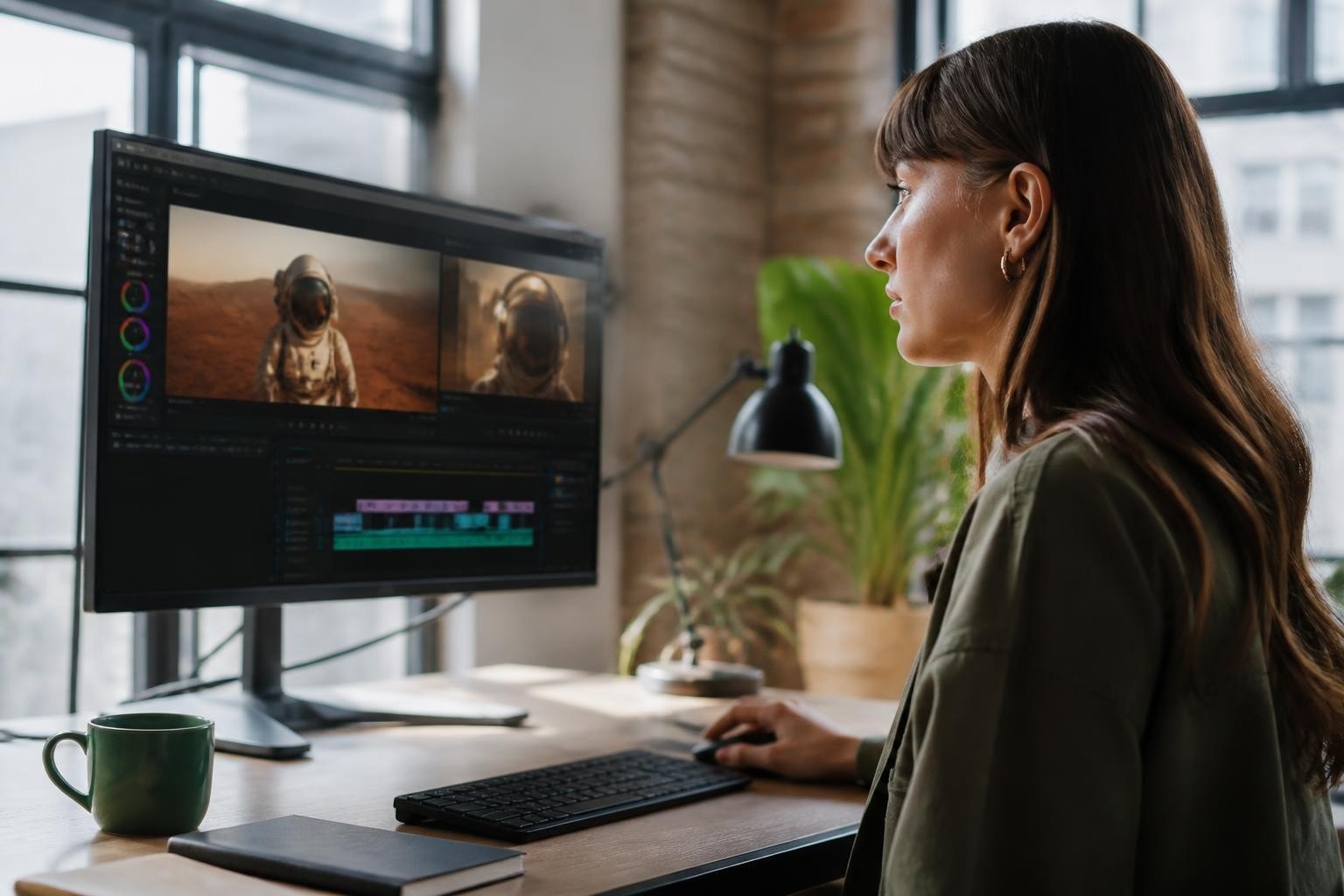
The landscape of content creation has shifted dramatically as artificial intelligence enters the video production arena. Video AI generation represents a transformative technology that enables creators, brands, and marketers to produce video content at unprecedented scale and speed. What once required production crews, expensive equipment, and weeks of post-production can now be accomplished through sophisticated machine learning models that understand visual narratives, motion dynamics, and brand aesthetics. For performance marketers and digital-first brands, this technology isn't just an incremental improvement-it's a fundamental reimagining of how we approach video content for advertising, social media, and customer engagement.
Understanding the Technology Behind Video AI Generation
Modern video AI generation builds on recent breakthroughs in diffusion models and transformer architectures. These systems learn from massive datasets of existing video content, understanding not just static visual elements but temporal relationships, motion patterns, and narrative coherence across frames.
The technical foundation rests on several key innovations. Diffusion probabilistic modeling has emerged as the dominant approach, gradually refining random noise into coherent video frames through iterative denoising steps. This process allows models to generate realistic motion, lighting changes, and camera movements that feel natural to viewers.
Core Components of Modern Systems
Training effective video generation models requires enormous computational resources and carefully curated datasets. The OpenVid-1M dataset exemplifies the scale needed, providing over one million high-quality text-video pairs that teach models the relationship between language descriptions and visual motion.
Key technical elements include:
- Temporal consistency engines that maintain object identity and scene coherence across frames
- Motion prediction networks that understand physics, biomechanics, and natural movement patterns
- Style transfer capabilities that apply consistent visual aesthetics throughout generated sequences
- Semantic understanding layers that interpret creative briefs and translate concepts into visual narratives
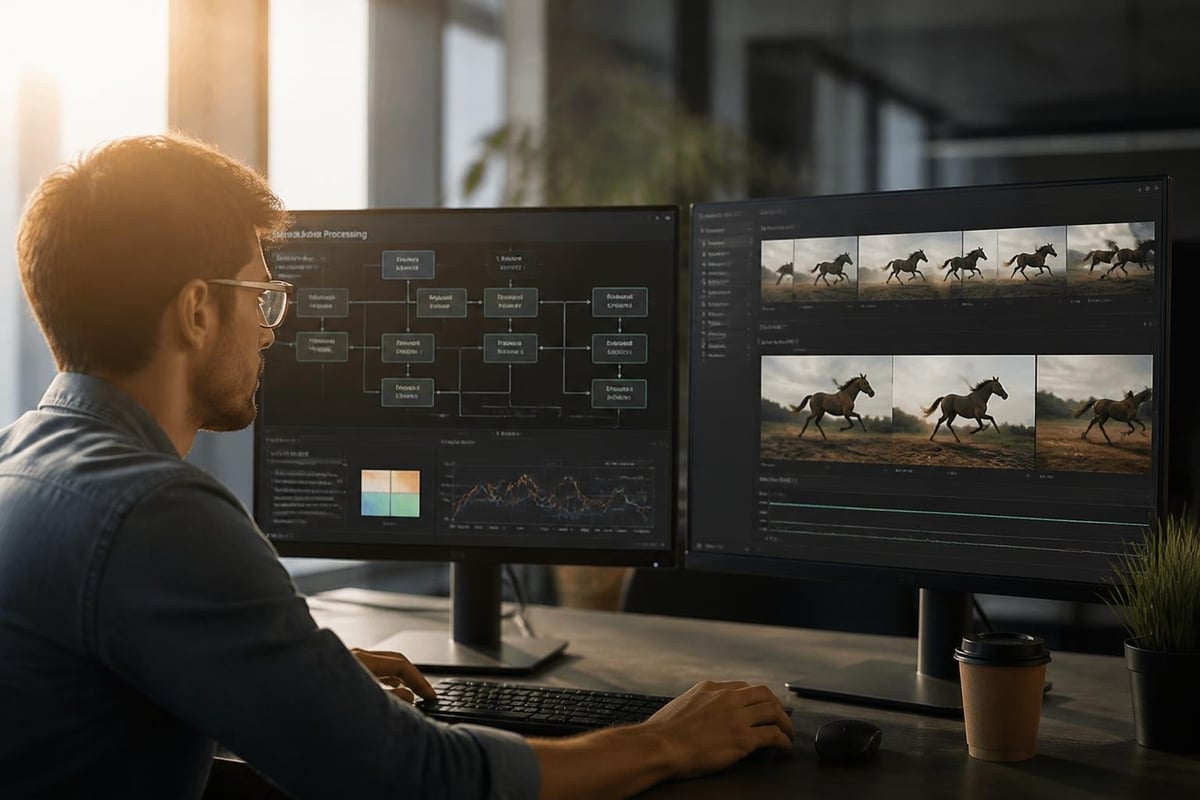
The latest research from NeurIPS 2023 demonstrates measurable progress in video quality metrics, with newer models achieving significantly higher scores on benchmarks measuring temporal coherence, visual fidelity, and semantic alignment with input prompts.
Practical Applications for Brands and Marketers
Video AI generation delivers immediate value across multiple marketing functions. For paid advertising campaigns, the technology eliminates traditional production bottlenecks that slow creative iteration and inflate costs.
Ad Creative Production at Scale
Performance marketers face constant pressure to test new creative variations. Traditional video production limits testing velocity-each new concept requires reshoots, editing time, and budget allocation. Video AI generation inverts this constraint, enabling teams to produce dozens of variations from a single creative brief.
Consider a direct-to-consumer brand launching a product across TikTok and Meta. Instead of producing three hero videos and calling it a campaign, teams can now generate:
- Multiple hook variations testing different value propositions
- Audience-specific versions tailored to demographic segments
- Format adaptations optimized for different platform specifications
- Localized versions with cultural and linguistic customization
- Sequential retargeting creative that evolves with customer journey stages
This velocity fundamentally changes creative strategy. Brands at VidBud approach campaigns as continuous optimization cycles rather than discrete production events, constantly feeding performance data back into creative generation.
| Traditional Production | Video AI Generation |
|---|---|
| 2-4 weeks per concept | Minutes to hours per concept |
| $5,000-$50,000 per video | Fraction of traditional costs |
| 3-5 variations typical | Unlimited variations possible |
| Requires talent, crew, location | Requires only creative brief |
| Iterates on weeks-long cycles | Iterates on daily cycles |
User-Generated Content Simulation
Authentic user-generated content drives engagement on social platforms, but coordinating real creators introduces logistical complexity and consistency challenges. Video AI generation offers a compelling alternative-synthetic UGC that captures the aesthetic and authenticity of creator content while maintaining brand control.

For brands needing scroll-stopping ad creative fast, VidBud's AI-powered platform combines market research, creative direction, and unlimited UGC video generation in a single workflow, delivering performance-ready creative for TikTok and Meta campaigns without the traditional production overhead.
Technical Capabilities and Current Limitations
Understanding what video AI generation can and cannot do helps set realistic expectations and strategic priorities. The technology excels at specific tasks while still facing meaningful constraints.
Strengths of Current Systems
Modern video generation models demonstrate impressive capabilities across several dimensions. They handle:
- Complex motion synthesis including human gestures, product interactions, and environmental dynamics
- Multi-shot sequences with scene transitions and camera angle changes
- Text integration overlaying captions, graphics, and branding elements seamlessly
- Audio-visual synchronization matching generated motion to provided audio tracks or music
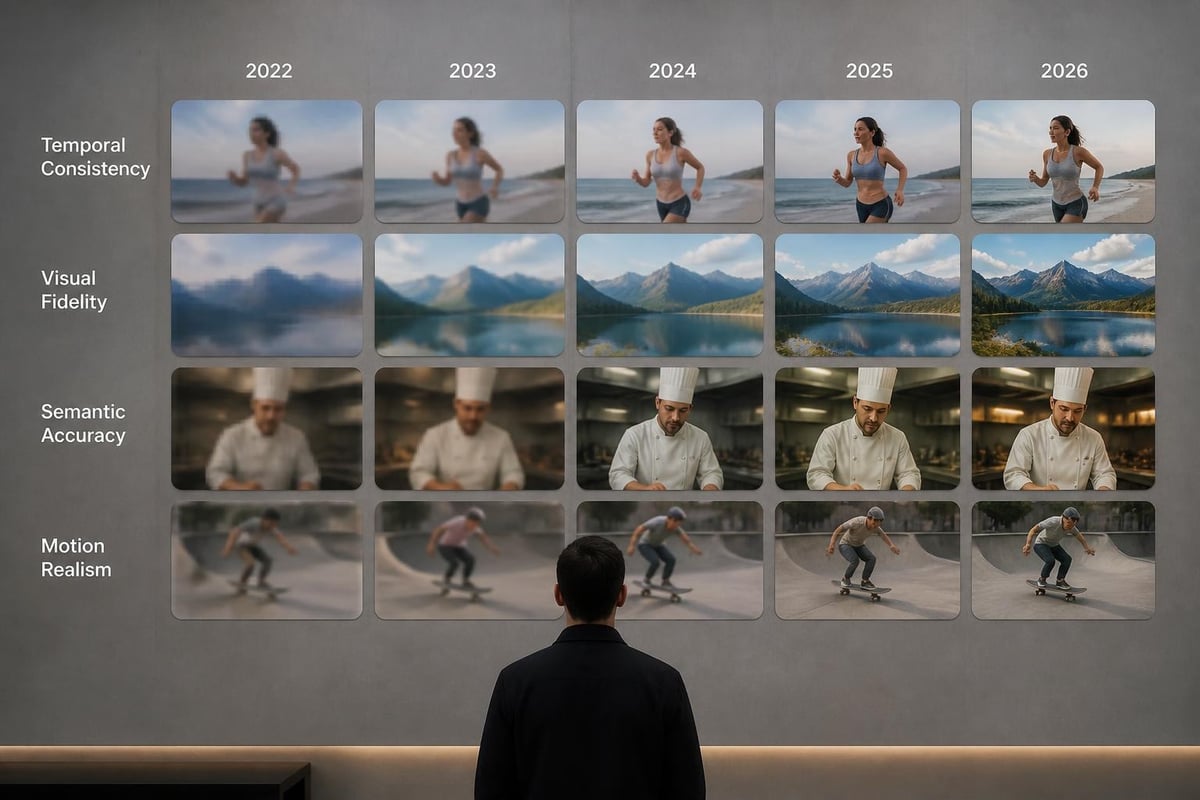
The Video-Bench benchmark repository tracks these capabilities through standardized evaluation protocols, revealing steady improvement in all major quality dimensions.
Current Constraints and Workarounds
No technology is without limitations. Video AI generation in 2026 still struggles with:
- Extended duration: Most models optimize for clips under 30 seconds; longer sequences may lose coherence
- Fine motor control: Precise hand movements and detailed object manipulation remain challenging
- Brand asset integration: Incorporating exact logos, packaging, or product details requires careful prompt engineering
- Photorealistic faces: While improving rapidly, facial rendering sometimes falls into the uncanny valley
Smart practitioners work within these constraints. They generate shorter clips and concatenate them in post-production. They focus on scenarios where perfect photorealism matters less than motion, emotion, and narrative clarity. They use hybrid workflows, combining AI-generated backgrounds with traditionally shot product footage.
Ethical Considerations and Regulatory Landscape
As video AI generation becomes more sophisticated, questions about authenticity, disclosure, and potential misuse gain urgency. Responsible deployment requires understanding both the ethical dimensions and emerging regulatory frameworks.
Disclosure and Transparency Standards
The FTC has proposed new protections specifically targeting AI impersonation and deepfakes, signaling increased regulatory scrutiny of synthetic media. For marketers, this means establishing clear disclosure practices when using video AI generation.
Best practices emerging across the industry include:
- Transparent labeling of AI-generated content in contexts where viewers might reasonably assume human creation
- Consent protocols when generating videos that reference or simulate real individuals
- Quality controls ensuring AI-generated content meets brand standards and doesn't inadvertently create misleading representations
- Documentation systems tracking which content was AI-generated for compliance audits
Global Policy Frameworks
The European Commission's analysis of deepfakes outlines recommended governance dimensions that influence how platforms and advertisers approach synthetic media. These frameworks emphasize proportionate responses that balance innovation with consumer protection.
For global brands, navigating this landscape means building compliance into creative workflows from the start. The compliance policies at VidBud reflect this approach, providing guardrails that keep generated content within regulatory boundaries while maximizing creative flexibility.
Strategic Implementation for Marketing Teams
Successfully integrating video AI generation into marketing operations requires more than technology access. It demands workflow redesign, skill development, and strategic alignment across creative and performance teams.
Building Effective Prompting Capabilities
The quality of AI-generated video directly correlates with prompt sophistication. High-performing teams develop structured approaches to creative briefing that translate campaign objectives into effective generation prompts.
Essential prompt elements include:
- Clear scene descriptions specifying setting, lighting, and atmosphere
- Precise motion directives indicating camera movements and subject actions
- Style references connecting to established visual languages or brand aesthetics
- Technical specifications for resolution, aspect ratio, and duration
- Emotional tone guidance shaping the affective quality of the output
Teams often maintain prompt libraries categorizing successful formulations by use case, creating organizational knowledge that compounds over time.
Integration with Existing Creative Workflows
Video AI generation shouldn't replace entire creative teams but rather augment their capabilities and accelerate output. Successful integration typically follows this pattern:
- Strategists define campaign objectives, audience insights, and key messages
- Creative directors translate strategy into visual concepts and prompt frameworks
- AI operators execute generation, producing multiple variations per concept
- Editors refine outputs, combining AI-generated elements with traditional assets
- Performance analysts evaluate results, identifying top performers for scale
This collaborative model preserves creative judgment while dramatically increasing iteration speed and volume.
| Workflow Stage | Traditional Approach | AI-Augmented Approach |
|---|---|---|
| Concept Development | 3-5 days | 3-5 hours |
| Asset Production | 1-3 weeks | 1-3 days |
| Iteration Cycles | 2-3 per campaign | 10-20 per campaign |
| Cost per Variation | $3,000-$10,000 | $50-$200 |
Performance Optimization and Testing Strategies
The true power of video AI generation emerges when paired with rigorous performance testing. The ability to produce numerous variations enables sophisticated creative experimentation previously reserved for organizations with massive production budgets.
Structured Creative Testing Frameworks
Leading performance marketers approach AI-generated video through systematic testing hierarchies. Start with broad hypothesis categories, then drill into specific variations within promising directions.
Testing dimensions include:
- Hook variations: Testing different opening seconds to maximize stop-scroll rates
- Problem-solution framing: Contrasting pain-point focused versus aspiration-focused narratives
- Pacing experiments: Comparing rapid-cut energetic edits against slower, cinematic approaches
- CTA placement: Testing call-to-action timing and visual treatment
- Format adaptations: Optimizing for platform-specific engagement patterns
Data-Driven Creative Iteration
Video AI generation enables responsive creative that evolves with performance signals. When Meta campaigns indicate certain visual motifs drive higher conversion rates, teams can quickly generate new variations amplifying those elements.
This creates a feedback loop where creative output becomes increasingly optimized for business outcomes. Some teams running hundreds of creative tests monthly have developed sophisticated internal processes for managing this volume, treating creative as a continuously refined asset class rather than discrete campaign deliverables.
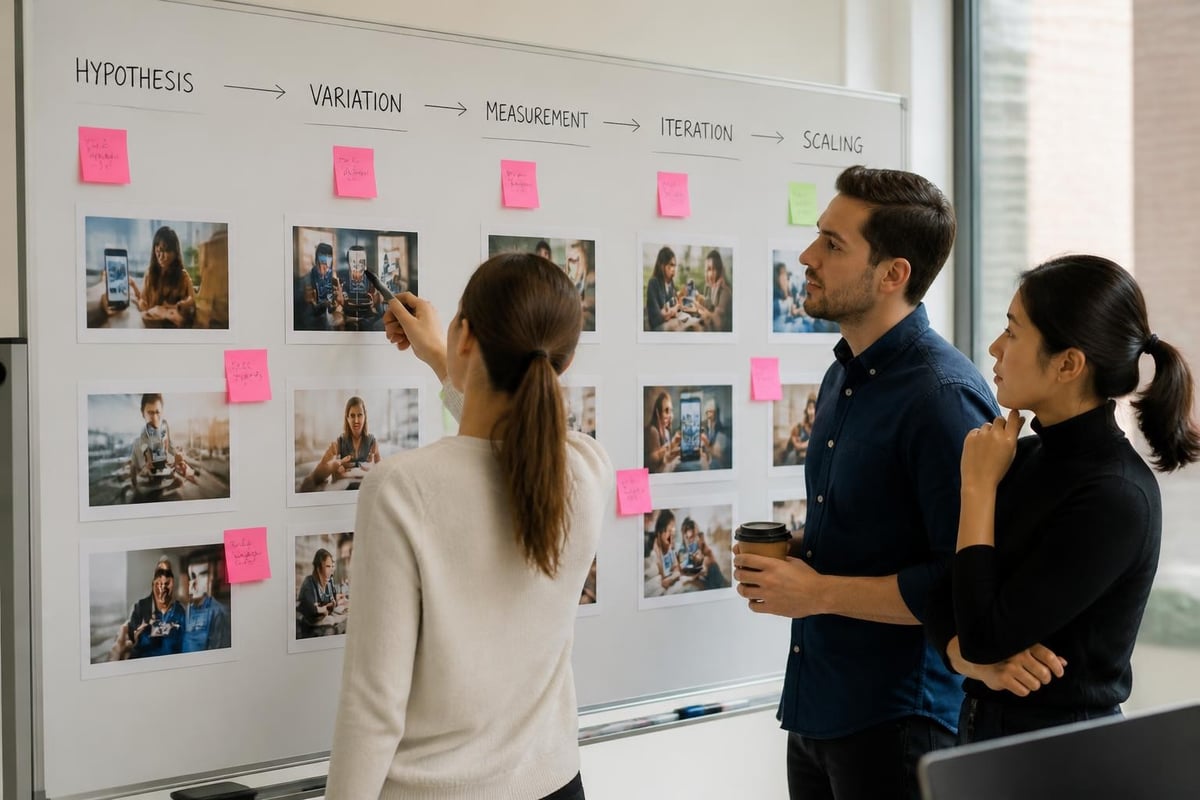
The comprehensive review in Scientific American explores broader implications of this shift, noting how text-to-video technology democratizes high-quality video production while raising important questions about authenticity and creative authorship.
Future Trajectories and Emerging Capabilities
The pace of advancement in video AI generation shows no signs of slowing. Recent surveys of the field identify several promising research directions that will shape commercial applications over the next 12-24 months.
Enhanced Control and Customization
Next-generation systems will offer more granular control over generation parameters. Instead of describing desired output entirely through text prompts, creators will specify:
- Precise camera trajectories through 3D space controls
- Character consistency maintaining the same individuals across multiple generated videos
- Brand asset integration seamlessly incorporating logos, products, and style guides
- Interactive editing adjusting specific elements within generated videos without full regeneration
These capabilities move video AI generation from a black-box process toward a precision tool where creative intent translates more directly into output.
Multimodal Integration
Future systems will fluidly combine multiple input types-text descriptions, reference images, audio tracks, motion sketches-into coherent video output. This multimodal approach mirrors how human creatives work, pulling inspiration from diverse sources and synthesizing them into unified visions.
For brands, this means briefing AI systems the same way you'd brief human production teams, using mood boards, example clips, and verbal direction in combination.
Real-Time Generation and Live Applications
As computational efficiency improves, video AI generation will move closer to real-time speeds. This opens entirely new use cases:
- Live event coverage generating highlight reels and social clips during ongoing events
- Personalized video messages creating customized content for individual customers at scale
- Interactive experiences where viewer choices influence narrative direction in generated content
- Augmented livestreams blending real video with AI-generated elements in real-time
These applications blur the line between pre-produced and live content, creating new creative possibilities and engagement models.
Video AI generation represents a fundamental shift in how brands and marketers approach video content, offering unprecedented scale, speed, and creative flexibility for teams willing to reimagine their production workflows. The technology has matured beyond experimental novelty into a practical tool delivering measurable business value across advertising, social media, and customer engagement. If you're ready to transform your creative output and produce scroll-stopping UGC ads without the traditional production overhead, VidBud provides the AI-powered platform to turn creative briefs into performance-ready video at scale-built specifically for the demands of modern performance marketing.